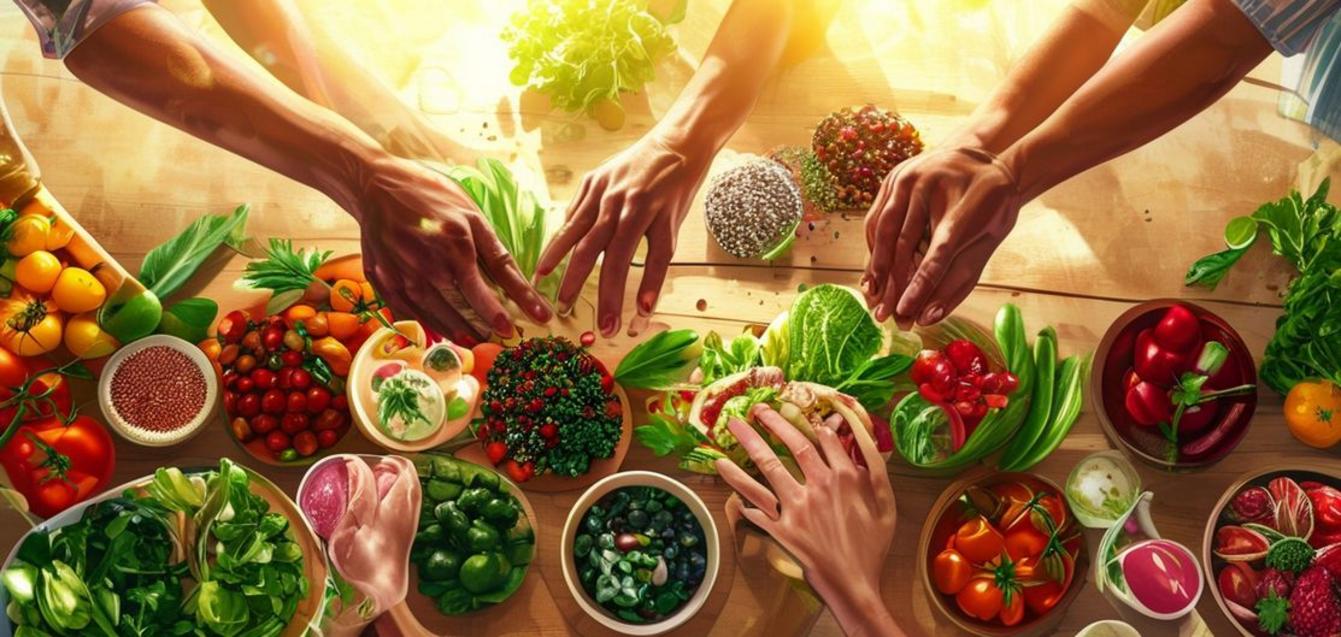
Imagine a health solution so fundamental, so deeply ingrained in our daily lives, that it could prevent chronic disease and uplift communities simultaneously. This isn’t a futuristic drug; it’s the food on our plates. Yet, despite growing awareness, our approach to nutrition and wellbeing often falls short, particularly when policy decisions overlook the nuanced realities of diverse communities.
We’re at a critical juncture where the promise of ‘Food is Medicine’ initiatives collides with the harsh reality of widespread nutrition insecurity. As foundational support systems face ongoing scrutiny and sometimes, significant reductions, the question isn’t just *if* food can be medicine, but *how* we ensure that medicine is both accessible and effective for everyone.
The Double-Edged Sword of Austerity
It’s tempting to simplify complex challenges, but the reality on the ground often tells a more nuanced story. When decisions are made to adjust benefits in programs like SNAP and WIC, the intent might be fiscal conservatism. However, the practical implications for families struggling with nutrition insecurity can be far-reaching and, frankly, counterproductive to public health goals. A common observation among public health practitioners is that even small reductions in assistance can tip vulnerable households from precarious stability into acute crisis, forcing impossible choices between rent, utilities, and nutritious food.
This creates a paradoxical situation. On one hand, we advocate for ‘Food is Medicine,’ recognizing the profound link between diet and health outcomes. On the other, we weaken the very safety nets that ensure basic access to food for millions. In practice, we often see that undercutting these foundational programs not only worsens immediate hunger but also exacerbates chronic health conditions, leading to higher healthcare costs down the line. It’s a classic example of saving pennies today while incurring dollars in future expenses.
Beyond the Buzzword: What ‘Food is Medicine’ Truly Means
The concept of ‘Food is Medicine’ is powerful. At its core, it champions the idea that diet plays a pivotal role in preventing, managing, and even reversing disease. This isn’t a new notion; ancient wisdom traditions worldwide have long understood the healing power of food. Today, it translates into initiatives that connect patients with nutritious food, often prescribed by healthcare providers, to address diet-related illnesses like diabetes, heart disease, and hypertension.
However, for this framework to truly succeed, it must be more than a buzzword. It requires a holistic re-evaluation of our food systems, from production to distribution, and a deep understanding of the people it aims to serve. Without this depth, ‘Food is Medicine’ risks becoming a well-intentioned but ultimately superficial intervention, failing to address the systemic roots of nutrition insecurity.
The Power of Cultural Context in Nutrition
Here’s where the conversation gets particularly compelling: the critical role of cultural appropriateness. Providing someone with a box of ‘healthy’ food is a good start, but if those foods are unfamiliar, don’t align with their culinary traditions, or require cooking methods they don’t practice, the impact is significantly diminished. This isn’t just about preference; it’s about dignity, identity, and the practical reality of daily life.
For instance, a low-sodium, diabetic-friendly meal plan might be clinically sound, but if it excludes staple ingredients and preparation methods crucial to a family’s heritage, adherence will be low. Imagine a family accustomed to preparing vibrant, flavorful dishes from their ancestral homeland suddenly presented with bland, unfamiliar ingredients. The likelihood of that food being consumed, let alone forming new, healthy habits, decreases dramatically. Culturally competent solutions acknowledge that food is not just fuel; it’s memory, community, celebration, and comfort. It’s about respecting diverse dietary patterns and ensuring that ‘healthy food’ is defined not just by nutritional metrics, but by its relevance and appeal to the individual and community receiving it.
This perspective requires more than just offering alternatives; it demands active engagement with communities to understand their needs, preferences, and culinary traditions. It means investing in local food networks that can supply culturally relevant produce and products, and supporting educational programs that empower individuals to prepare healthy meals using familiar ingredients.
Building Resilient, Inclusive Food Systems
So, what does an effective, culturally competent ‘Food is Medicine’ approach look like? It’s a multi-faceted strategy that recognizes that food access is a human right and a public health imperative. It includes:
- Robust Safety Nets: Strengthening, not weakening, foundational programs like SNAP and WIC, recognizing their essential role in preventing nutrition insecurity.
- Community-Led Solutions: Empowering local organizations and community leaders to design and implement food programs that truly resonate with their populations. This includes identifying culturally preferred foods, supporting local farmers who grow them, and providing culturally appropriate nutrition education.
- Healthcare Integration: Training healthcare providers to understand the cultural dimensions of food and health, and to prescribe food interventions that are both nutritionally sound and culturally sensitive. For more on the growing evidence base, consider exploring research on Food is Medicine programs and their efficacy.
- Investment in Local Economies: Supporting local food systems, urban farms, and community gardens that can provide fresh, culturally relevant produce, creating jobs and fostering local resilience.
- Policy Alignment: Ensuring that agricultural, health, and social policies work in concert to promote nutrition security, rather than inadvertently undermining each other.
This isn’t an easy task, but the long-term benefits are undeniable. Investing in culturally competent food systems means healthier individuals, stronger communities, reduced healthcare burdens, and a more equitable society.
A Call for Integrated Investment
As we navigate economic pressures and health disparities, the conversation around nutrition must evolve. It’s not enough to simply acknowledge that ‘Food is Medicine.’ We must commit to building food systems that are empathetic, inclusive, and deeply rooted in the cultural fabric of the communities they serve. When we cut benefits to basic food programs, we’re not just saving money; we’re often dismantling the very foundation upon which effective ‘Food is Medicine’ initiatives are built. Our collective health and future prosperity depend on a more integrated, thoughtful, and culturally aware approach to what we eat.
FAQ: Understanding Nutrition Security and Culturally Competent Food Systems
What is nutrition insecurity?
Nutrition insecurity goes beyond simple food scarcity. It refers to the inability to consistently access or afford nutritious, safe, and culturally appropriate foods necessary for a healthy and active life. This can involve limited financial resources, lack of nearby grocery stores (food deserts), or insufficient knowledge about healthy eating within one’s cultural context.
How do benefit cuts to programs like SNAP/WIC impact community health?
Cuts to foundational programs like SNAP (Supplemental Nutrition Assistance Program) and WIC (Special Supplemental Nutrition Program for Women, Infants, and Children) directly reduce families’ purchasing power for food. This often leads to increased consumption of cheaper, less nutritious options, worsening diet-related diseases, increasing stress, and potentially leading to higher emergency room visits and healthcare costs in the long run.
What does ‘culturally appropriate food’ mean in this context?
Culturally appropriate food refers to foods that are familiar, preferred, and align with the dietary patterns, traditions, and beliefs of a specific cultural group. It’s not just about providing healthy food, but providing healthy food that people will actually consume and enjoy, respecting their heritage and culinary practices.
How can communities advocate for better food systems?
Communities can advocate by supporting local food initiatives, engaging with policymakers, demanding transparency in food sourcing, promoting nutrition education that is culturally sensitive, and forming community-led groups to identify and address local food access issues. Highlighting lived experiences and data on local impacts is also crucial.
Is ‘Food is Medicine’ a replacement for traditional healthcare?
No, ‘Food is Medicine’ is an integrative approach designed to complement traditional healthcare, not replace it. It emphasizes the preventative and therapeutic role of diet in managing and preventing chronic diseases, working alongside medical treatments and advice from healthcare professionals.