

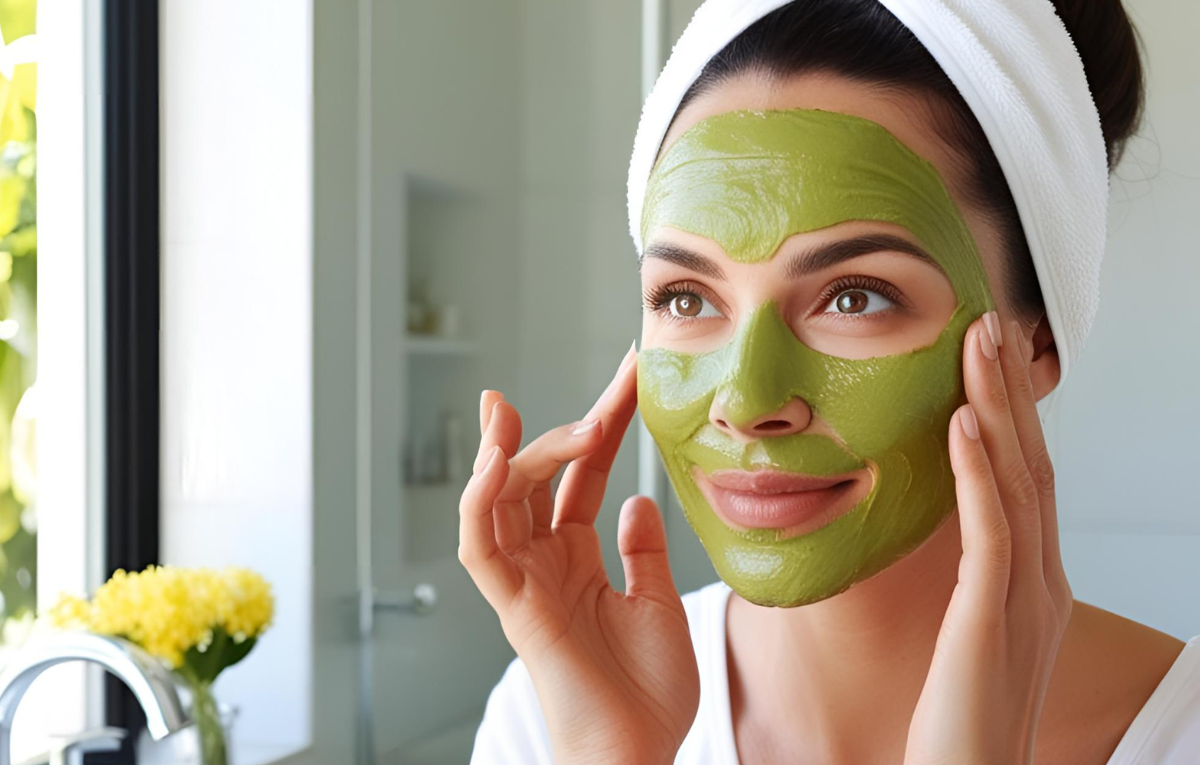
Dry, flaky skin can feel tight, uncomfortable, and even itchy. If you’re searching for a gentle yet powerful solution, look no further than a hydrating avocado honey mask. Packed with lipid-rich avocado and moisture-locking honey, this DIY treatment rebuilds your skin’s barrier, soothes irritation, and restores a healthy glow. In this article, we’ll cover:
- Why your skin becomes dry and flaky
- Science-backed benefits of avocado and honey
- A step-by-step recipe for your mask
- Custom variations for different skin needs
- Expert tips to maximize results safely
- Real-life case studies and troubleshooting
By the end, you’ll have all you need to create and customize a hydrating avocado honey mask that leaves skin supple, soothed, and radiant.
Why Your Skin Becomes Dry and Flaky
Healthy skin relies on a robust stratum corneum—the outermost layer of your epidermis. Key components include:
- Lipids & Ceramides: Seal in moisture.
- Natural Moisturizing Factors (NMFs): Attract water (e.g., amino acids, urea).
- Acid Mantle (pH ~5.5): Protects against microbes and supports enzyme function.
When any of these factors falter, water escapes, leading to xerosis (clinical dry skin), which can affect up to 85% of adults¹. Common triggers:
- Environmental Stressors
- Low Humidity & Cold Air: Indoor heating and winter winds deplete moisture.
- UV Exposure: Sunlight damages lipids and speeds water loss.
- Skincare Habits
- Over-cleansing: Harsh surfactants strip natural oils.
- Excessive Exfoliation: Strong acids or scrubs can compromise the barrier.
- Intrinsic Factors
- Aging: Natural decline in oil production and NMFs.
- Genetics & Conditions: Eczema or psoriasis impair barrier function.
Quick Tip: If you’re in a dry climate, consider using a humidifier to help maintain indoor moisture levels.
The Science-Backed Benefits of Avocado
Avocado (Persea americana) is more than just a superfood for your diet—it’s a skincare powerhouse:
- Oleic & Linoleic Fatty Acids
- Replenish the lipid matrix in your stratum corneum.
- Reduce transepidermal water loss (TEWL), improving barrier function.
- Vitamins A, D & E
- Vitamin A (retinol precursors): Stimulates collagen and accelerates cell turnover.
- Vitamin D: Aids in skin repair and immune modulation.
- Vitamin E: Neutralizes free radicals and calms inflammation.
Clinical Insight: In a UCLA study, women who ate one avocado daily for eight weeks experienced significant improvements in facial skin elasticity and hydration². Topical application of mashed avocado or avocado oil delivers these nourishing lipids directly to the skin.
Internal Link: For more on barrier-boosting ingredients, see our Natural Skincare Routine Guide.
Honey’s Humectant Power and Healing Properties
Honey is celebrated in dermatology for its unparalleled moisturizing and healing abilities:
- Humectant Action:
- Monosaccharides (glucose, fructose) attract and bind water molecules in the skin.
- Antimicrobial & Anti-Inflammatory
- Raw Honey: Retains active enzymes (glucose oxidase) that gently produce hydrogen peroxide.
- Manuka Honey: Rated by Methylglyoxal (MGO) content; an MGO of 100+ offers stronger antibacterial effects³.
Research Spotlight: A randomized trial showed honey dressings improved hydration and expedited wound healing on graft sites, highlighting honey’s barrier-repair benefits⁴.
External Link: Learn more about dry skin causes on Mayo Clinic’s website.
Mayo Clinic: Dry Skin Causes & Treatment
DIY Recipe: How to Make a Hydrating Avocado Honey Mask
Create your own hydrating avocado honey mask in just a few minutes:
- Ingredients
- ½ ripe Hass avocado, mashed until smooth
- 1 tablespoon raw or Manuka honey (MGO 100+)
- Optional: 1 teaspoon plain yogurt for gentle lactic acid exfoliation
- Preparation
- In a small bowl, mash avocado with a fork until creamy with no lumps.
- Stir in honey (and yogurt, if using) until well blended.
- Application
- Cleanse: Use a gentle, sulfate-free cleanser. Pat skin dry.
- Mask: Apply evenly, avoiding eyes and lips.
- Treatment Time
- Leave on for 15–20 minutes—enjoy a mini-spa break.
- Rinse & Moisturize
- Rinse off with lukewarm water, using light circular motions.
- Pat dry, then seal in moisture with your favorite gentle moisturizer or face oil.
Pro Tip: If you find the mask too thick, thin it with a teaspoon of rose water or green tea toner for added botanical benefits.
Custom Variations & Add-Ins
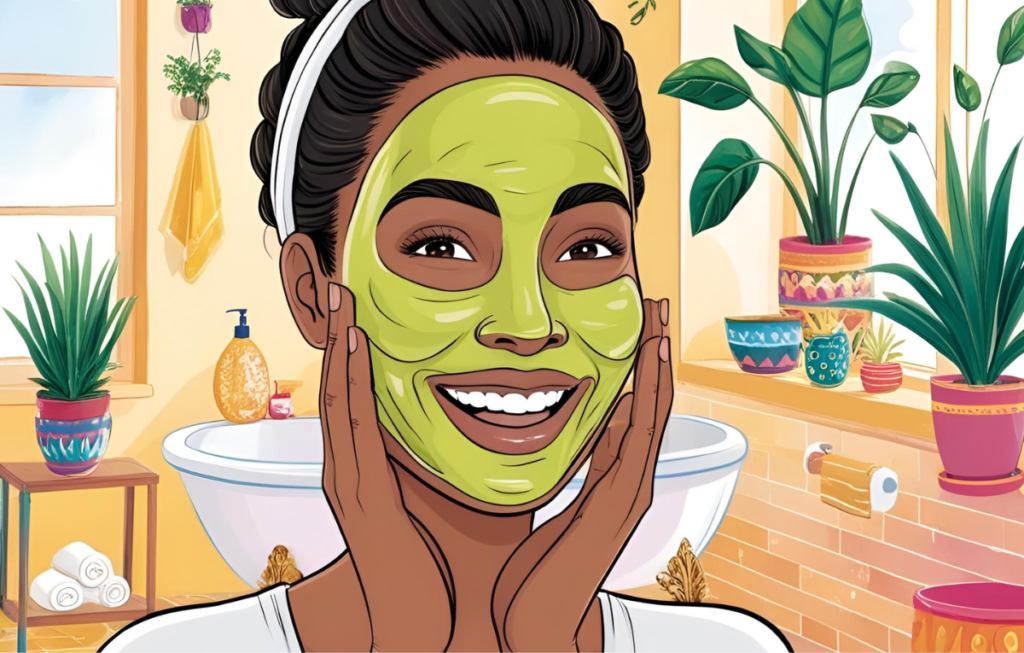
Tailor your hydrating avocado honey mask to target specific concerns:
- Ground Oatmeal (1 tbsp): Calms irritation and provides mild physical exfoliation.
- Aloe Vera Gel (1 tbsp): Soothes redness and inflammation—ideal for sensitive or sunburned skin.
- Glycerin (½ tsp): Enhances honey’s humectant action for extra hydration.
- Essential Oils (1–2 drops):
- Lavender: Calming, ideal for sensitive skin.
- Tea Tree: Antibacterial, great for acne-prone areas.
Usage Frequency: 1–2 times per week is generally sufficient. Overuse can disrupt your skin’s balance.
Expert Tips, Precautions & Troubleshooting
Even natural ingredients can cause reactions. Follow these guidelines:
- Patch Test First
- Apply a small amount to your inner forearm or behind the ear.
- Wait 24 hours to check for redness, itching, or swelling.
- Allergy Considerations
- Avocado is related to latex—avoid if you have latex allergies.
- Bee-derived ingredients may trigger reactions in sensitive individuals.
- Freshness & Storage
- Prepare fresh each time; discard leftovers after 24 hours to prevent bacterial growth.
- Store avocado and honey properly—avocado in the fridge, honey in a cool, dry place.
- When to Avoid
- Do not apply on active eczema flares, open wounds, or sunburned skin.
- If you’re using prescription retinoids or acids, consult a dermatologist first.
Troubleshooting: If your skin feels tight after rinsing, follow up immediately with a thicker occlusive like facial oil or petroleum-free balm.
Real-Life Case Studies & Testimonials
Nothing builds confidence like real results:
- Emma’s Story: “After applying this mask every other night for a week, the rough patches on my cheeks visibly smoothed out. My skin felt softer and looked radiant—no more scaly spots!”
- Clinical Parallel:
A study on multifloral honey creams (10–15% concentration) showed up to a 20% increase in skin hydration after four weeks of daily application⁵. - Before & After Visuals:
Encourage readers to document their own progress with side-by-side photos for social proof.
🚨 Your wellness journey is one click away – Don’t miss out!
👉 Explore Here
Conclusion & Call-to-Action
Your skin’s moisture barrier is precious—treat it with the nourishing synergy of avocado and honey. This hydrating avocado honey mask is an easy, science-backed DIY you can whip up in minutes, delivering deep hydration, barrier repair, and a radiant glow.
Ready to Transform Your Skin?
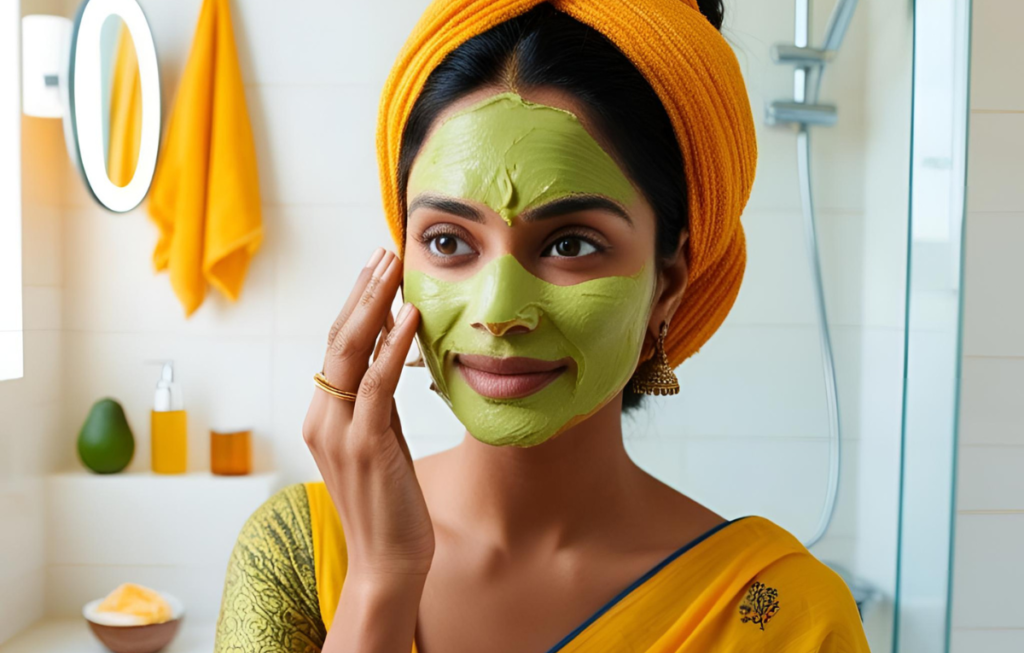
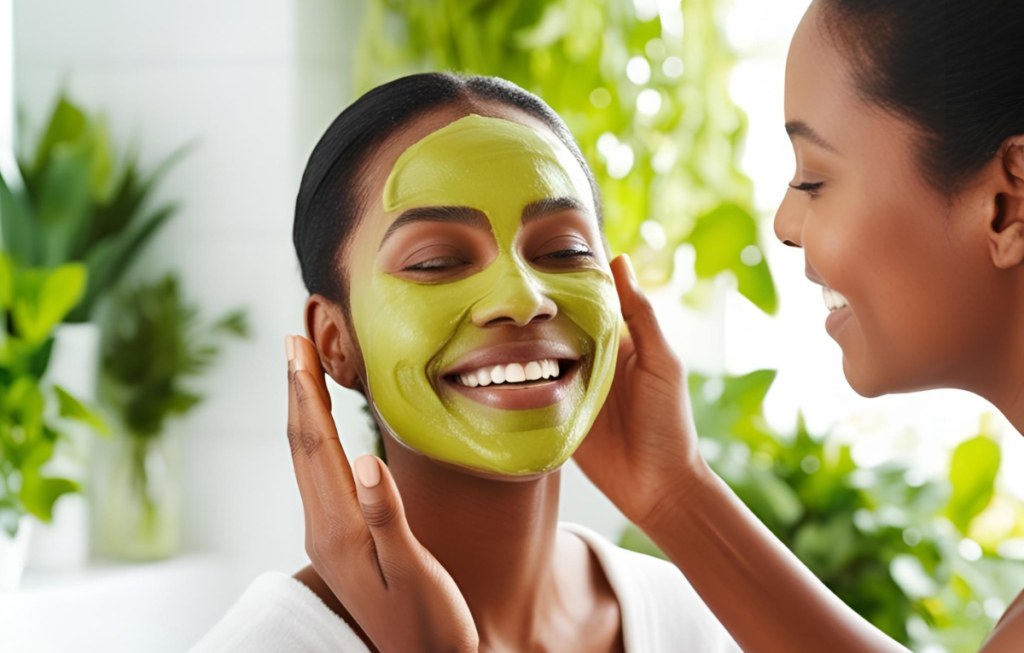
- Try this mask tonight and share your before & after in the comments.
- Tag us on Instagram: @YourBrandSkinCare with #AvocadoHoneyGlow.
- Download our free guide “5 More Natural Masks for Every Skin Concern” and subscribe for weekly skincare hacks.
References:
¹ National Dermatology Review on Xerosis Prevalence
² UCLA Nutrition Study: Avocado Intake & Skin Health
³ Manuka Honey Certification Standards (MGO Rating)
⁴ Hadi et al., 2016 RCT on Honey in Wound Healing
⁵ Journal of Cosmetic Science: Multifloral Honey Cream Hydration Trial