

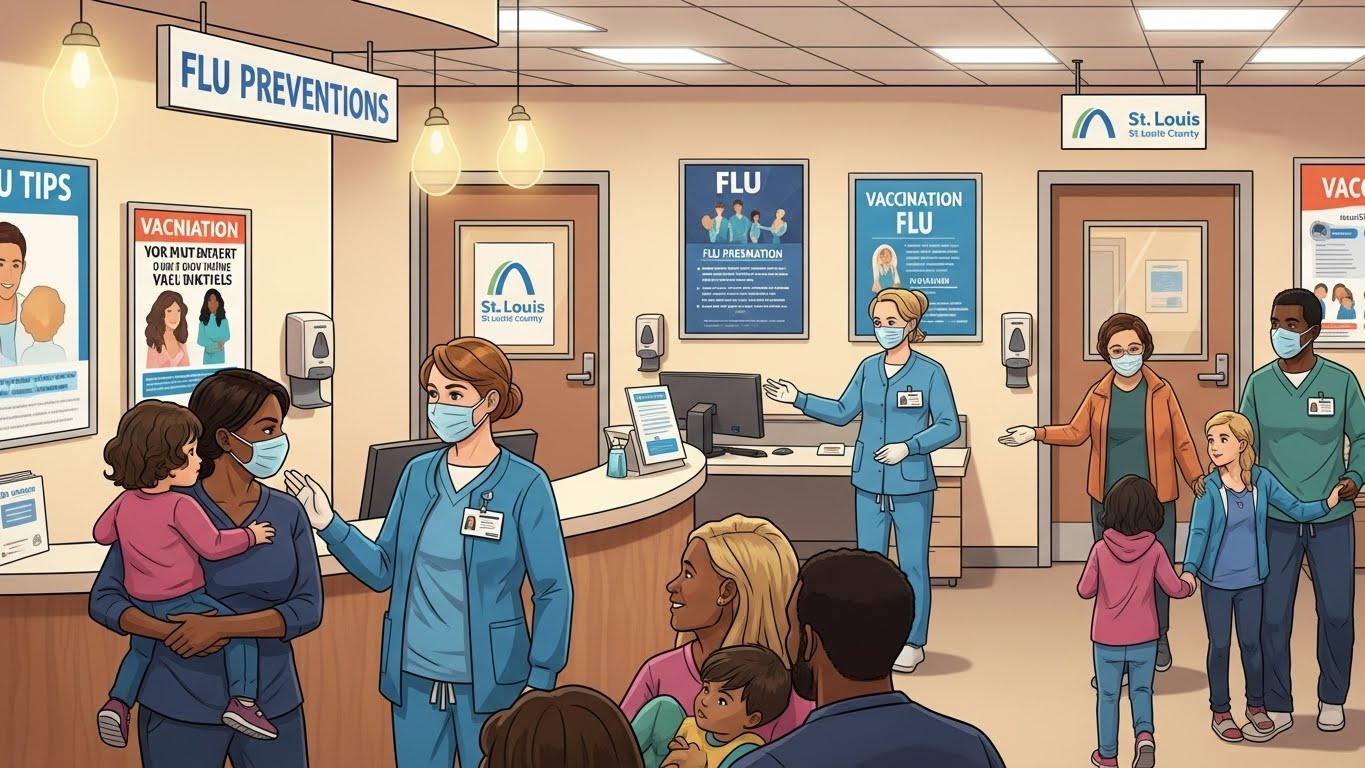
If you’ve walked into a pharmacy lately and seen the “flu shots available here” sign a little earlier than usual, you’re not imagining things. This flu season has been rough, and in St. Louis County, local health leaders are responding in a way that’s turning heads across the country.
The St. Louis County Department of Public Health recently announced it would break with federal vaccine guidelines amid what officials are calling a particularly nasty flu season. For many residents, that decision has raised questions—about safety, trust, and what it really means when local guidance diverges from national recommendations.
A flu season that feels different this year
Picture a typical weekday morning. Parents are dropping kids at school, coworkers are coughing through meetings, and urgent care clinics are packed by noon. That’s been the reality for many families in St. Louis County this winter.
Flu activity has surged earlier and harder than expected. Emergency departments have reported higher-than-normal flu-related visits, and schools have seen spikes in absenteeism. In response, local officials felt they couldn’t simply wait and follow the usual playbook.
What federal vaccine guidelines usually recommend
At the national level, vaccine guidance is shaped by federal agencies that look at large-scale data: national flu trends, vaccine effectiveness studies, and long-term safety monitoring. These recommendations are designed to apply broadly across the country.
Most years, that approach works well. But public health experts often acknowledge that local conditions matter. Flu strains, timing, and community vulnerability can vary widely from one region to another.
That’s where the tension begins—between consistency and flexibility.
Why the St. Louis County Department of Public Health chose a different path
According to local health leaders, the decision wasn’t about rejecting science. It was about responding faster to what was unfolding on the ground.
Dr. Kanika Cunningham, a key voice within the county’s public health leadership, emphasized that surveillance data showed unusually high flu transmission locally. Hospitals were feeling the strain, and vulnerable populations—including older adults and young children—were at increased risk.
The county’s updated guidance aimed to:
- Encourage earlier vaccination for groups at higher risk
- Expand access points for flu vaccines across the county
- Adjust messaging to reflect local transmission patterns
From the county’s perspective, waiting for federal updates could mean losing valuable time.
A relatable moment many families recognize
I once spoke with a parent who said they weren’t sure whether to get a flu shot early or wait, as usual. Their child had already missed several school days due to illness circulating in class. That uncertainty—wanting to do the right thing but facing mixed signals—is exactly what many families are feeling now.
Is it safe to deviate from federal guidance?
This is where things get uncomfortable, and it’s worth being honest. There’s no such thing as a zero-risk public health decision.
Federal guidelines are built on extensive evidence, but they can’t always adapt quickly to local spikes. On the other hand, local guidance may move faster but rely on narrower data sets.
Public health professionals generally agree on a few principles:
- Flu vaccines remain a key tool for reducing severe illness
- Timing and access can affect real-world protection
- Clear communication is critical to maintain public trust
The St. Louis County Department of Public Health has stressed that its recommendations are still rooted in evidence-based practices, not speculation.
How this affects residents in St. Louis County
For everyday residents, the practical question is simple: What should I do?
Local guidance suggests paying close attention to county-level updates, especially if you:
- Care for young children or older adults
- Have underlying health conditions
- Work in healthcare, education, or caregiving roles
It may also mean seeing flu vaccination campaigns appear earlier or more aggressively than in past years.
The broader debate: local control vs. national consistency
This situation highlights a long-standing debate in public health. Should local agencies have more freedom to adapt guidance, or does that risk confusing the public?
There’s no perfect answer. Uniform national messaging helps avoid misinformation. But rigid consistency can sometimes overlook local realities.
It’s important to say upfront that not every public health decision comes with absolute certainty. Sometimes, monitoring conditions over time and adjusting quickly is the best available option—even if it invites criticism.
What experts say about flu, vaccines, and timing
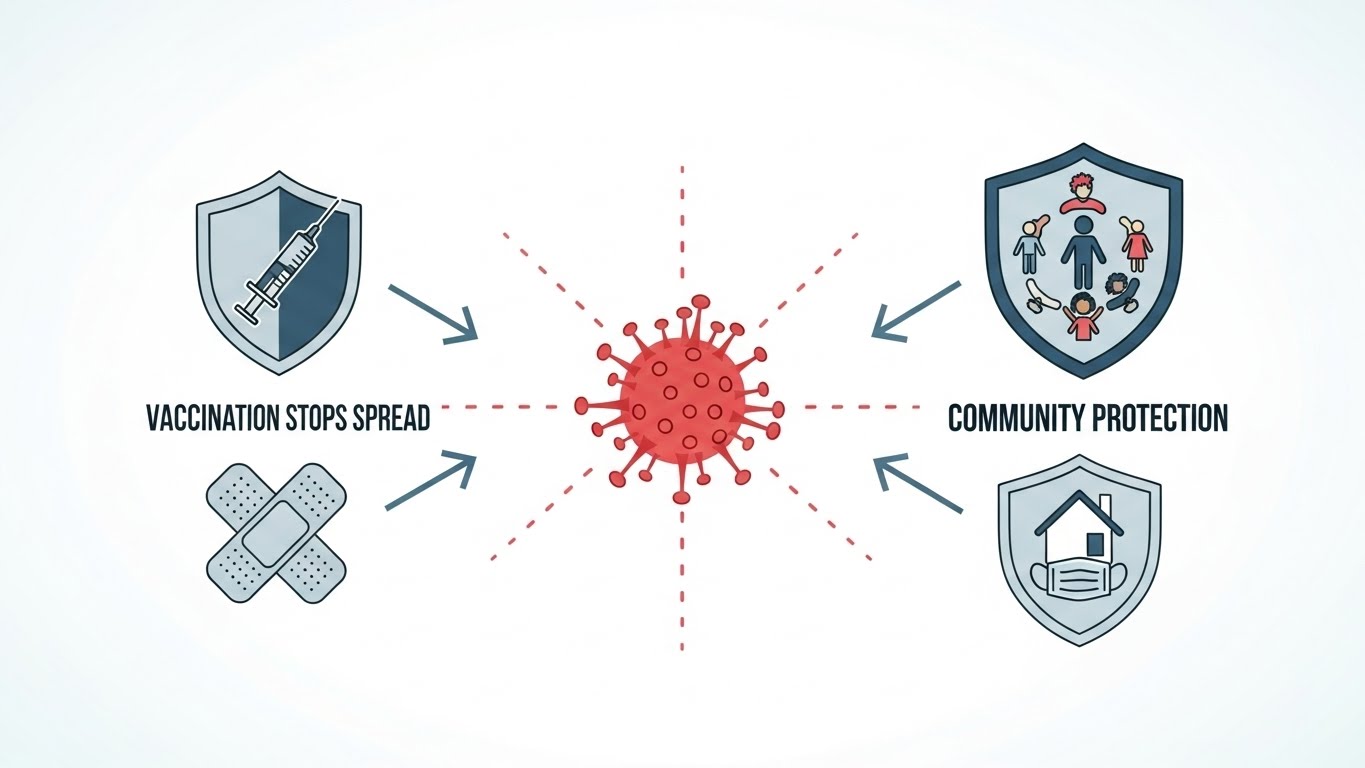
Research consistently shows that flu vaccines reduce the risk of severe illness, hospitalization, and complications. Effectiveness can vary by season and strain, but benefits remain strongest for high-risk groups.
Public health experts often recommend:
- Getting vaccinated before flu peaks in your community
- Staying informed through trusted local health departments
- Combining vaccination with basic prevention like hand hygiene
For families already navigating health concerns, early awareness can make a meaningful difference—similar to how early recognition matters in other conditions. [Learn more about early diagnosis of Angelman syndrome]
Addressing common concerns and misconceptions
Some residents worry that changing guidance signals uncertainty or disagreement among experts. In reality, it often reflects responsiveness rather than conflict.
Others fear that deviating from federal guidance means increased risk. Local officials counter that inaction during a surge can carry its own risks, especially for overwhelmed healthcare systems.
The key is transparency. Clear explanations help people understand why recommendations change, not just that they have.
What this could mean for future public health decisions
The move by St. Louis County may influence how other local health departments think about flexibility during severe seasons. It raises important questions about:
- How quickly guidance should adapt to local data
- How agencies communicate changes without causing confusion
- How trust is built through consistency and clarity
These lessons extend beyond flu and vaccines, shaping how communities respond to future public health challenges.
Practical steps residents can take right now
If you’re unsure how to respond, consider these steps:
- Follow updates from the St. Louis County Department of Public Health
- Talk with a healthcare provider about your personal risk factors
- Encourage flu prevention habits at home, school, and work
Small actions, taken early, can reduce strain on families and healthcare systems alike.
Frequently Asked Questions (People Also Ask)
Why did St. Louis County break with federal vaccine guidelines?
Local data showed unusually high flu activity. County officials felt earlier and expanded action was needed to protect vulnerable groups during the surge.
Is the flu vaccine still considered safe?
Yes. Flu vaccines undergo ongoing safety monitoring and are widely recommended to reduce severe illness, especially for high-risk populations.
Who should pay the most attention to local guidance?
Older adults, young children, people with chronic conditions, and those working in healthcare or schools should closely follow local updates.
Does this mean federal guidance is wrong?
Not necessarily. Federal recommendations are broad. Local guidance can adapt those recommendations to reflect regional conditions.
Can early vaccination really make a difference?
Evidence suggests earlier vaccination in high-transmission areas can help reduce severe outcomes and healthcare strain.
Where should residents get reliable updates?
The St. Louis County Department of Public Health and trusted healthcare providers are the best sources for local, up-to-date information.
Final thoughts: staying informed without panic
A severe flu season can be unsettling, especially when guidance shifts. But awareness doesn’t have to lead to fear. By understanding why decisions are made—and how they affect you—you’re better equipped to protect yourself and those around you.
If there’s one takeaway, it’s this: local public health guidance exists to respond to local realities. Staying informed is the first step toward staying well.
CTA: Stay connected with trusted local health updates, talk with your healthcare provider, and take proactive steps to protect your household during this flu season. Knowledge and early action can make all the difference.
Medical Disclaimer: This article is for educational purposes only and is not medical advice. Consult a healthcare professional for diagnosis and treatment.
🚨 Your wellness journey is one click away – Don’t miss out!
👉 Explore Here


