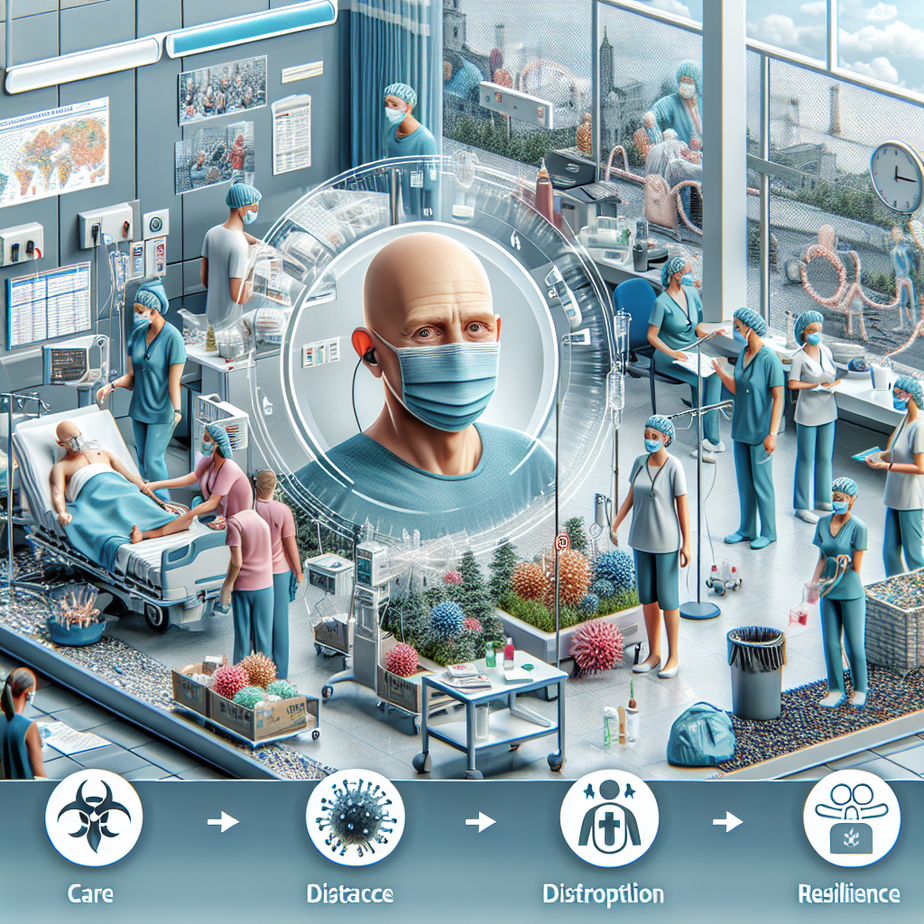
The Pandemic’s Hidden Legacy: A Closer Look
When the pandemic swept across the globe, it brought with it a wave of disruption that extended far beyond hospital walls. A new study reveals a sobering correlate: the interruptions in health care during this tumultuous time led to worsened cancer survival rates. This alarming trend underscores a unique reality about our health systems: their fragility in the face of unprecedented challenges.
Understanding the Study’s Findings
The study, noted as the first to evaluate how pandemic-related healthcare interruptions affected short-term survival rates for cancer patients, paints a concerning picture. It highlights a stark increase in mortality rates, suggesting that those seeking treatment faced delays and obstacles that could have dire consequences.
In practice, analysts have observed similar patterns in other chronic illnesses, but cancer’s urgency makes these disruptions particularly alarming. Preventive screenings, timely diagnostics, and effective treatment protocols were all sidelined at various points during the pandemic. These factors combined present a daunting reality for those diagnosed with cancer as their treatment protocols were compromised.
What Does This Mean for Cancer Patients?
For patients navigating the complex landscape of cancer treatment, the implications are significant. The disruptions did not just delay treatment; they also fostered an environment rife with uncertainty. As cancer requires immediate and ongoing intervention, any delay can escalate the severity of the disease, reduce the chances of effective treatment, and ultimately, diminish survival odds.
Moreover, the emotional toll cannot be underestimated. Patients already grappling with a life-altering diagnosis were further burdened by healthcare systems that were not equipped to handle the sudden influx of COVID-19 cases. The associated psychological stress contributed to feelings of helplessness during an already difficult time.
Examining Broader Implications
Beyond the individual stories, this situation prompts a broader reflection on the resilience (or fragility) of healthcare systems globally. Despite significant advancements in medical technology and treatment protocols, the ability of these systems to adapt swiftly during a crisis leaves room for improvement.
Present day discussions among oncologists and healthcare planners often center around how to create more robust infrastructures that can withstand shocks. Investing in telehealth options, streamlining communication between patients and providers, and developing contingency plans are steps being recommended to ensure that such vulnerabilities are addressed in the future.
What Can be Done Moving Forward?
The key takeaway from the study is not just acknowledgment of past mistakes, but also the necessity for a comprehensive strategy going forward. Areas of focus could include:
- Enhanced Cancer Screening: Improving capacity for routine screenings can prevent late-stage diagnosis.
- Promoting Telemedicine: Making virtual consultations a standard part of care to ensure that patients receive timely support, regardless of external circumstances.
- Comprehensive Patient Management: Instituting holistic care plans that address the emotional and physical needs of patients during crises.
- Community Awareness: Educating communities about the importance of not neglecting symptoms nor missed appointments.
FAQ Section
What was the primary focus of the study?
The study focused on assessing the impact of pandemic-related disruptions on the short-term survival rates of cancer patients, revealing significant negative outcomes.
How did the pandemic affect cancer treatment protocols?
Delays in screenings, difficulties accessing treatment, and overall system overload led to a decrease in timely interventions for cancer patients, worsening survival rates.
What steps can be taken to improve cancer care during future crises?
Enhancing telehealth services, improving screening access, and developing flexible care strategies are vital measures to mitigate the impacts of future disruptions.
A Call for Action
Ultimately, the findings from the study serve as a critical reminder of the vulnerabilities in our healthcare systems. They underscore the importance of ensuring that the lessons learned from this pandemic are not overlooked. Continued advancements in cancer care require not only innovation in treatment but also a proactive approach to crisis management. By prioritizing patient access to care and fostering resilience in our health systems, we can safeguard the lives of those most vulnerable among us.
As we move forward, the challenge remains not just to recover but to strengthen our approach to medical care in all its forms. Empowering cancer patients and ensuring that they have reliable access to the care they need is paramount. That’s not just a lesson we should take from this pandemic—it’s an imperative for the future of healthcare.