

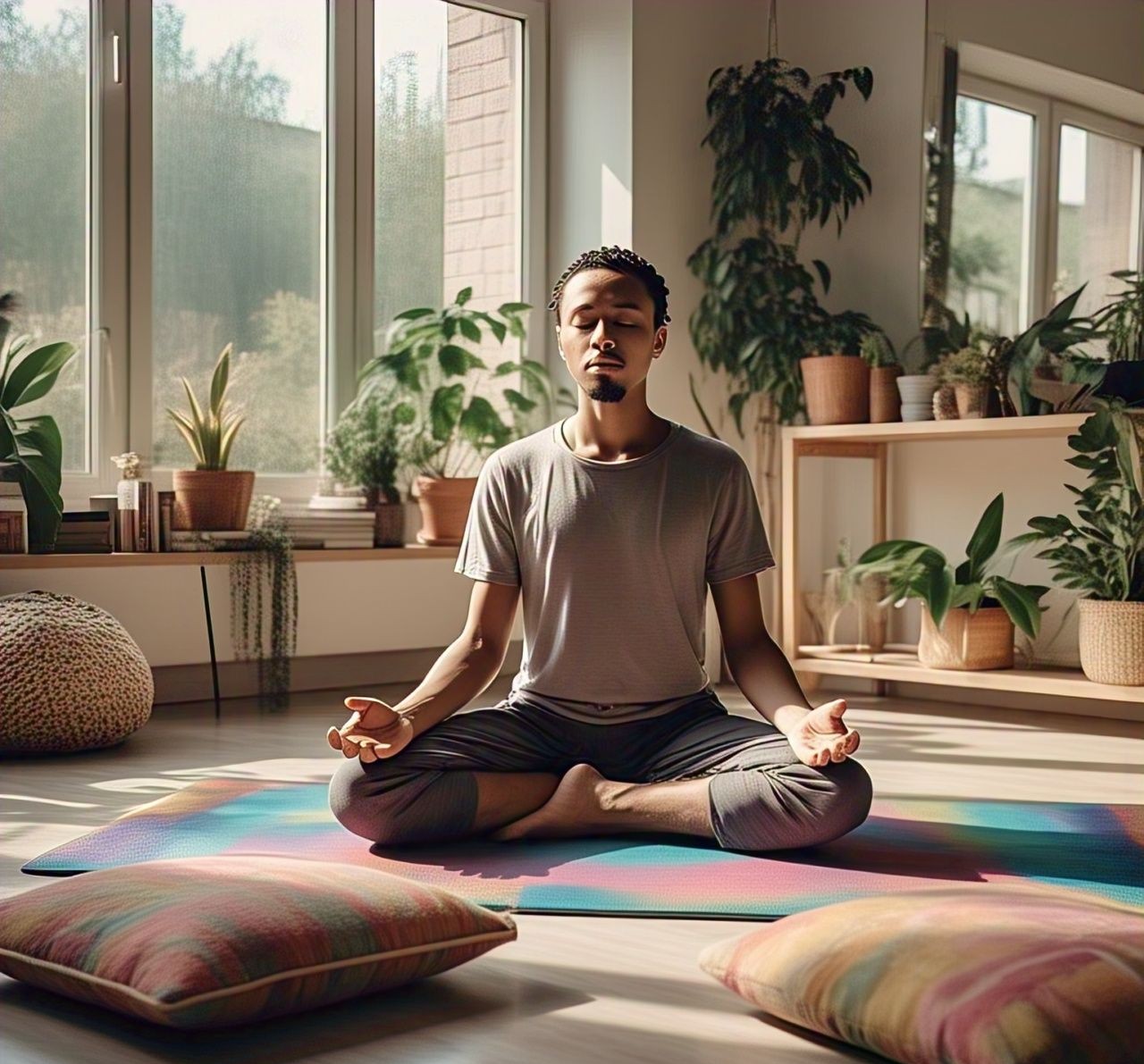
In today’s fast-paced world, stress has become a common part of everyday life, affecting people across the globe—from the bustling cities of the USA to the vibrant communities in India. Whether it stems from demanding careers, financial pressures, or personal challenges, stress can take a toll on our well-being. That’s why discovering simple, effective stress relief strategies is essential to maintaining a healthy, balanced life.
In this article, we’ll dive deep into stress management, covering everything from the science of stress and how it affects our bodies to tried-and-true methods for minimizing its effects. You’ll find practical advice on mindfulness, meditation, lifestyle adjustments, and cognitive techniques that not only help reduce stress but also boost your overall well-being. Plus, we’ll share real-life stories, expert opinions, and case studies that show how these strategies can make a difference.
By the time you finish this guide, you’ll walk away with a straightforward, actionable plan to weave stress relief into your everyday life. Plus, you’ll have a handy toolkit filled with long-tail keywords and LSI terms to make sure your content is not just relevant but also thorough. Let’s dive into how you can take charge of your life again using scientifically supported and naturally effective stress relief methods.
Understanding Stress
Definition and Types of Stress
Stress is a completely normal reaction to tough situations we face. It can be split into two main types:
- Acute stress: Short bursts of stress that can help keep us sharp and focused.
- Chronic stress: Long-term stress that can lead to serious health issues.
Stress comes in different forms:
- Physical stress (caused by injuries or hard work)
- Emotional stress (linked to relationships and personal issues)
- Psychological stress (stemming from internal struggles and negative thought patterns)
Physiological and Psychological Effects
When we’re stressed, our bodies release hormones like adrenaline and cortisol to help us cope. While this response is useful short-term, excessive stress can lead to:
- Weakened immune system
- Digestive problems
- Heart disease
- Anxiety and depression
- Difficulty concentrating
A study from the American Psychological Association shows that long-term stress can even alter brain structure, affecting memory and emotional regulation. Effective stress relief techniques can help mitigate these effects.
Common Stressors in Modern Life
Work and Financial Stress
In today’s world, workplace stress is one of the biggest challenges. Many employees juggle tight deadlines, high expectations, and financial responsibilities, leading to increasing anxiety levels. Practical solutions include:
- Time management techniques
- Task prioritization
- Financial planning
Relationship and Social Pressures
Our personal relationships and societal expectations also contribute to stress. Balancing family, friendships, and work can be overwhelming. To ease relationship stress:
- Practice good communication
- Set healthy boundaries
- Engage in relaxation techniques
The Science Behind Stress Relief Techniques
How Stress Affects the Brain
When stress strikes, the amygdala triggers the release of stress hormones, activating the fight-or-flight response. Chronic stress can shrink the hippocampus, affecting mood and cognitive function. This is why stress relief techniques like meditation and mindfulness can help reverse these changes.
The Role of Neurotransmitters
Stress disrupts neurotransmitter balance, leading to anxiety and depression. Meditation and breathing exercises help regulate serotonin and dopamine levels, promoting relaxation.
Effective Stress Relief Techniques
Mindfulness Practices
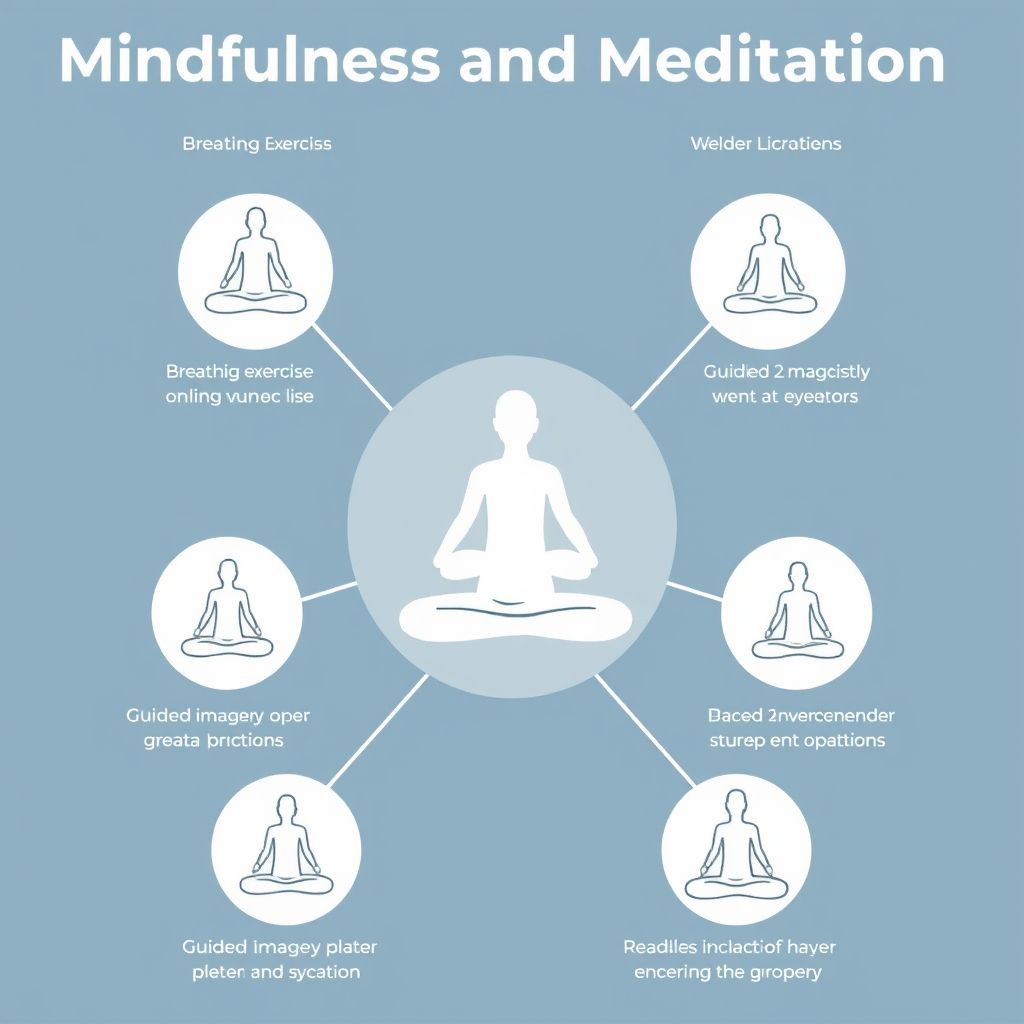
Mindfulness helps us stay present and aware of our thoughts without judgment. Simple ways to practice mindfulness include:
- Breathing exercises
- Mindful walking
- Body scan meditation
Meditation Techniques for Beginners
Meditation is a structured approach to relaxation and focus. Beginners can start with:
- Guided meditation apps
- 10-20 minute daily sessions
- Pairing meditation with yoga for enhanced benefits
Lifestyle Changes for Better Stress Management
The Power of Physical Activity
Exercise triggers endorphin release, reducing cortisol levels and lifting mood. Popular stress-relieving exercises include:
- Yoga
- Jogging
- Brisk walking
Nutrition, Sleep, and Stress Relief
- Eat a balanced diet with antioxidants, omega-3s, and whole grains
- Stay hydrated and reduce caffeine intake
- Maintain good sleep hygiene (stick to a routine, avoid screens before bed)
Cognitive Behavioral Strategies and Stress Reduction
Reframing Negative Thoughts
Cognitive Behavioral Therapy (CBT) helps identify and change negative thought patterns. Effective techniques include:
- Journaling
- Cognitive restructuring
- Mindset shifts
Practical Success Stories
Real-life cases show how individuals have successfully reduced stress using CBT, mindfulness, and structured exercises.
Creating a Personalized Stress Management Plan
- Identify main stressors (work, finances, relationships)
- Set achievable goals for tackling stress
- Use digital stress management tools like guided meditation apps
Quick Takeaways
- Stress impacts both mental and physical health
- Common stressors include work, finances, and social pressures
- Science-backed strategies like mindfulness and exercise can help
- Lifestyle changes, including nutrition and sleep, are crucial for stress management
- Cognitive techniques like CBT help reframe negative thoughts
- Personalizing a stress relief plan makes it more effective
Conclusion
Managing stress isn’t a one-size-fits-all solution. By understanding stress, exploring various relief techniques, and making lifestyle changes, you can achieve a healthier and more balanced life. Whether you’re in the USA or India, these strategies will help you take control of stress and improve your well-being.
We hope you found this comprehensive guide on stress relief techniques both informative and inspiring. Your journey towards stress management is unique—what methods have worked best for you?
Share your thoughts, experiences, or questions in the comments below. If you enjoyed the article, please share it on social media and let us know your feedback. How do you plan to integrate these techniques into your daily life?
Frequently Asked Questions (FAQs)
What are the most effective stress relief techniques for anxiety?
Mindfulness, deep breathing, and CBT techniques help manage anxiety.
How can I fit stress management into a busy work schedule?
Use quick mindfulness sessions, schedule breaks, and leverage digital tools.
Can exercise help lower stress levels?
Yes! Regular physical activity releases endorphins that reduce cortisol and enhance mood.
What role does nutrition play in stress relief?
A balanced diet with omega-3s and antioxidants supports mental and physical well-being.
Are there any tech tools for stress management?
Yes! Meditation apps, habit trackers, and guided CBT exercises can help integrate stress relief into your routine.


