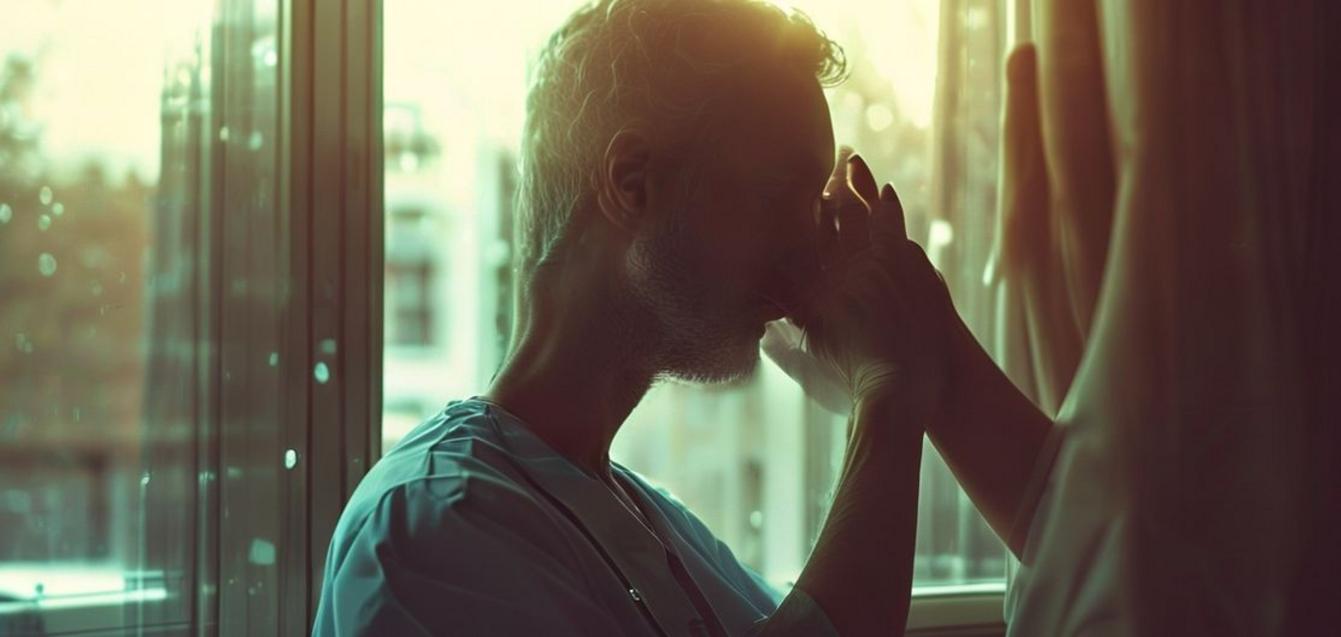
In the vast theatre of modern medicine, where every day brings new triumphs against disease and the relentless pursuit of longer, healthier lives, there remains one universal truth: the inevitable. Despite our formidable advancements, sophisticated diagnostics, and groundbreaking treatments, death remains the singular outcome for us all. But how do we, as a society, and especially those on the front lines of healthcare, truly understand and experience this profound event?
It’s a question that brings to light a quiet revolution in our collective consciousness—a shift from seeing death solely as a clinical endpoint to recognizing it as an intensely personal, deeply human experience that transcends the confines of a medical chart. This isn’t just about a physician’s journey; it’s about a broader societal re-evaluation of how we face mortality.
The Clinical Lens: Necessity and Its Limitations
From the moment aspiring medical professionals begin their training, death is often presented within a structured, clinical framework. It’s an outcome, a prognosis, a cause of death to be meticulously documented. This approach isn’t arbitrary; it’s a necessary scaffold for effective medical practice. Understanding mortality in a standardized, objective way allows for accurate diagnosis, research, public health initiatives, and consistent communication among healthcare teams.
When a physician pronounces death, it’s typically the culmination of a series of observations and protocols. Vital signs cease, brain activity halts, and the body’s systems shut down. This clinical detachment, a learned skill, serves a vital purpose: it enables doctors to make critical decisions under pressure, to deliver difficult news with a semblance of composure, and to maintain the professional distance often required to function in emotionally charged environments. In practice, we often see this detachment as a protective mechanism, a way to compartmentalize the intense emotional toll of constant exposure to suffering and loss.
However, this very necessary framework, while providing order and clarity, can inadvertently create a chasm. It can make it challenging to bridge the gap between the medical reality and the intensely personal, often chaotic, experience of grief and loss for families and even for the clinicians themselves when their professional boundaries inevitably blur.
The Irreducible Human Element of Loss
For families, death is rarely just an ‘outcome’ on a chart. It’s the abrupt silence at the dinner table, the empty chair, the missing voice. It’s the shattering of future plans, the unraveling of a lifetime of shared memories. It’s raw, messy, and deeply emotional. No matter how much medical science can explain the ‘how,’ it rarely touches the ‘why’ or the ‘what now?’ for those left behind.
A common observation among analysts in healthcare communication is that while patients and families value clinical competence, what they often remember most profoundly is empathy and connection during these critical moments. The physician who takes a moment to acknowledge the person, not just the patient, who speaks not only of medical facts but also of comfort and understanding, leaves a lasting impression. This isn’t about breaking professional boundaries; it’s about recognizing the full spectrum of human experience that unfolds around a clinical event.
Bridging the Divide: Empathy, Education, and Support
Recognizing the personal dimension of death isn’t a critique of medical professionalism; it’s an evolution of it. It calls for a more integrated approach that acknowledges both the clinical imperative and the profound human need for connection and understanding during times of loss. This integration manifests in several key areas:
Enhancing Communication and Narrative
The language we use around death matters. Shifting from purely clinical jargon to more accessible, compassionate language can make a significant difference. Encouraging physicians to listen actively, to invite narratives from families about their loved ones, and to facilitate discussions that go beyond treatment options to include values and wishes, fosters a more holistic approach to end-of-life care. This isn’t about avoiding medical facts, but framing them within a broader human context.
The Role of Palliative and Hospice Care
The growth of palliative and hospice care is a testament to this evolving understanding. These specialties are built on the premise that comfort, dignity, and quality of life are paramount when cure is no longer possible. They bridge the clinical with the personal, focusing not just on managing symptoms but on supporting the emotional, spiritual, and social needs of patients and their families. This multidisciplinary approach inherently acknowledges death as a holistic event, not just a biological one.
Supporting Healthcare Professionals
The emotional toll on physicians and other healthcare providers who regularly encounter death is immense. The expectation to remain stoic and detached can lead to burnout, moral injury, and compassion fatigue. Acknowledging that death becomes personal for them too is crucial for their well-being. Institutions are increasingly recognizing the need for robust support systems, including peer support, counseling, and opportunities for reflection and debriefing. As the American Medical Association highlights, physician wellness is integral to the health system’s ability to provide compassionate care.
Societal Reflections on Mortality
Our society, particularly in Western cultures, often exhibits a peculiar discomfort with death. We tend to medicalize it, push it into the sterile confines of hospitals, and speak of it in hushed tones. This societal distancing impacts how individuals, and by extension, healthcare professionals, are equipped to face it. By opening up more candid conversations about mortality, encouraging advanced care planning, and fostering a greater acceptance of death as a natural part of life, we can collectively ease some of the burden on those who navigate its complexities daily.
Frequently Asked Questions
Q: How can families best communicate their wishes about end-of-life care?
A: Open and honest conversations with loved ones and healthcare providers are key. Completing advance directives, such as a living will or appointing a healthcare power of attorney, ensures your preferences are legally documented and respected.
Q: Is it appropriate for doctors to show emotion when discussing death?
A: While professionalism is important, genuine empathy and appropriate emotional expression can build trust and provide comfort. It doesn’t mean breaking down, but acknowledging the gravity of the situation with humanity. Many patients and families appreciate a physician who shows they care on a human level.
Q: How can healthcare systems better support staff dealing with patient deaths?
A: Implementing debriefing sessions, offering mental health resources, fostering a culture of peer support, and providing education on grief and bereavement support are all vital. Recognizing and validating the emotional impact of their work is the first step.
The Ongoing Evolution of Care
The journey from viewing death purely as a clinical outcome to embracing its profound personal dimension is an ongoing evolution in healthcare and society. It’s a journey that calls for more than just scientific rigor; it demands empathy, compassionate communication, and an unwavering recognition of the human story at the heart of every life, and every loss. As we continue to advance medically, our greatest strength may lie not just in extending life, but in enriching the experience of its inevitable end, ensuring that dignity, comfort, and human connection remain paramount.